Ebooks are gaining significant popularity, with sales projected to grow steadily. They are often described as “virtual tomes” that can capture readers’ hearts. A major advantage of ebooks over hard copies is their convenience and accessibility in a digital world, allowing readers to carry a digital book on their devices and access information, entertainment, and education on the go.

Specifically, ebooks are:
Ebooks can be used as “low-ticket, high-value” offers that give readers a chance to “know, like, and trust” the author, potentially leading to engagement with higher-priced offerings.
- Easier and faster to create compared to hard copies.
- Easy to distribute digitally, eliminating the need for physical mailing.
- They circumvent issues like backorders or oversupply that can plague physical books
- Simple to update or revise content, which is cumbersome with hard copies.
- They allow for easy provision of “free” or “preview” copies to generate reviews or as gifts at no cost.
Easiness Of Creation
The process of creating an ebook has become increasingly accessible and efficient due to various software tools:
- Building Authority: Publishing an ebook can instantly establish an author as an expert or authority in their niche, differentiating them from others.
- User-Friendly Tools: Many tools offer intuitive drag-and-drop interfaces and pre-designed templates, making it easy to create visually appealing ebooks even without prior design experience. Examples include Canva for visual ebooks, Google Docs for text-focused ones, and Kindle Create for Amazon-specific optimization.
- Content Repurposing: Tools like Designrr excel at transforming existing content (e.g., blog posts, transcripts, PDFs) into ebooks, saving significant time and effort.
- Automation and AI: Designrr features an AI-powered assistant (Wordgenie AI) to help generate unique content. AI tools like ChatGPT can provide a rough skeleton or outline for content.
- Flexibility in Format: Ebooks can be simple text, highly visual, or interactive with multimedia elements. Tools like Visme allow for creating printable PDFs, interactive PDFs, or multimedia/interactive HTML5 ebooks. EPUB is a universal, responsive format ideal for digital readers.
- Streamlined Process: The initial writing can be done in a simple word processor. Authors can outline content using mind maps, organize ideas into chapters, and use paragraph styles for professional formatting.
- Self-Correction: With digital formats, even minor errors like typos can be corrected and reflected for the user without full re-publication.


Marketing and Distribution
Ebooks offer versatile marketing avenues to reach a wide audience:
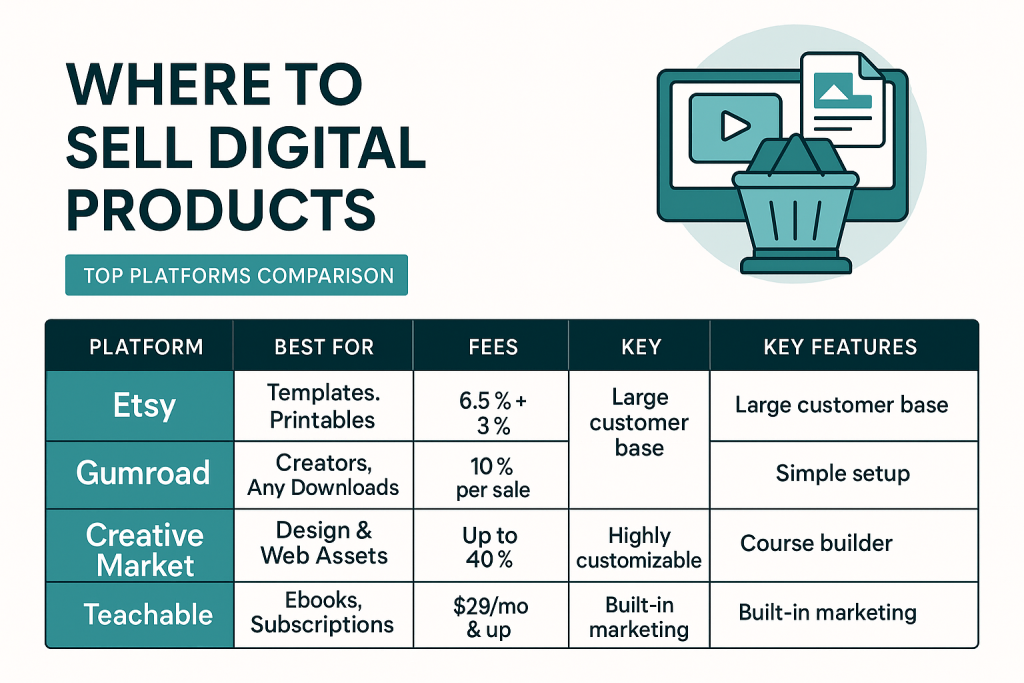
- Wide Distribution: Platforms like Amazon Kindle Direct Publishing (KDP) provide access to the world’s largest book audience, accounting for about 85% of ebook sales globally. Other major platforms include Apple Books, Barnes & Noble Nook, Kobo, and Google Play. Distributors like Draft2Digital can auto-distribute to many retailers.
- Lead Generation: Ebooks serve as excellent lead magnets, offering value in exchange for email sign-ups, which is a vital step in the marketing funnel.
- Direct Sales Control: Selling directly from your own website using platforms like SamCart or Easycart offers maximum control over pricing, branding, and customer experience, allowing authors to keep a significantly higher percentage of profits.
- Automated Marketing Funnels: Email funnels can be set up to automatically introduce ebooks to new subscribers, nurturing relationships and driving sales on autopilot.
- Content Marketing Leverage: Existing content like blog posts and videos can be used to attract an audience interested in the ebook’s topic. Ebooks themselves can be broken into smaller chunks for social media or newsletter content.
- Affiliate Programs: Setting up an affiliate program allows other influencers and bloggers to promote your ebook for a commission, significantly expanding reach through word-of-mouth marketing at no upfront cost.
- Promotional Flexibility: Authors can implement price promotions and flash sales, which have been shown to drastically increase sales (e.g., 10x more sales for indies running promotions). Discount codes can be used for targeted campaigns.
- Audience Engagement: Ebooks can foster a loyal audience who provide valuable feedback and support launches. Testimonials from readers are powerful for social proof.
- Analytics and Optimization: Platforms like Visme offer analytics tools to track ebook performance, including unique visits, time spent reading, and traffic sources, which helps in optimizing marketing strategies.
Passive Income Generation
Ebooks are a prime example of a passive income stream, generating revenue with minimal ongoing labor once the initial work is complete.
- “Money While You Sleep”: Once an ebook is created and the sales system is automated, authors can literally earn income around the clock without a real-time presence.
- Scalability: The digital nature of ebooks means they can be sold 1 or 1,000,000 times without requiring additional work from the author for each transaction, making the process “entirely scalable”.
- High Profit Margins: Unlike physical products, ebooks have no production, inventory, or shipping costs per sale, leading to exceptionally high profit margins, often nearly 100% of the sales price (minus platform fees).
- Long-Term Revenue: Content, especially if it’s evergreen, can continue to generate revenue for months or even years, especially if it is periodically updated and promoted.
- Diversification: Selling ebooks can be a valuable way to diversify an author’s or blogger’s income streams, safeguarding against losses if other revenue sources decline.
- Pathway to Higher Offers: Ebooks can serve as an effective “front-end offer”, introducing readers to an author’s expertise and leading them to invest in higher-ticket products or services, such as online courses or one-on-one coaching.
While the initial effort for writing and marketing is significant, the potential for automated sales and recurring income makes ebooks an attractive passive income opportunity.


Financial and Legal Advantages/Considerations
- Competitive Royalties: Platforms like Amazon KDP offer competitive royalty rates, with authors earning up to 70% of the list price for ebooks priced between $2.99 and $9.99.
- Direct Sales Profitability: By selling directly through one’s own website with tools like SamCart, authors can keep significantly more of their earnings, as costs are typically limited to payment processing fees and platform subscriptions.
- Tax Considerations: Income from selling ebooks and creating online content may need to be declared to tax authorities (e.g., HMRC in the UK) if it exceeds certain allowances, and “gifts or services” received are valued at their cost.
- Legal Protections: Authors own the copyright to their original works. Implementing Digital Rights Management (DRM), watermarking, and clear licensing agreements can protect ebooks from unauthorized copying and distribution. However, some authors find that asking readers nicely not to share is also effective, as determined individuals will find a way to share content regardless of DRM.
- Financial Regulations: Sellers must adhere to financial regulations like PCI DSS for secure payments when selling content online.
- Disclaimers: Using disclaimers can help limit liability and protect authors from legal issues, stating that content is provided “as is” and the author is not responsible for errors or losses.